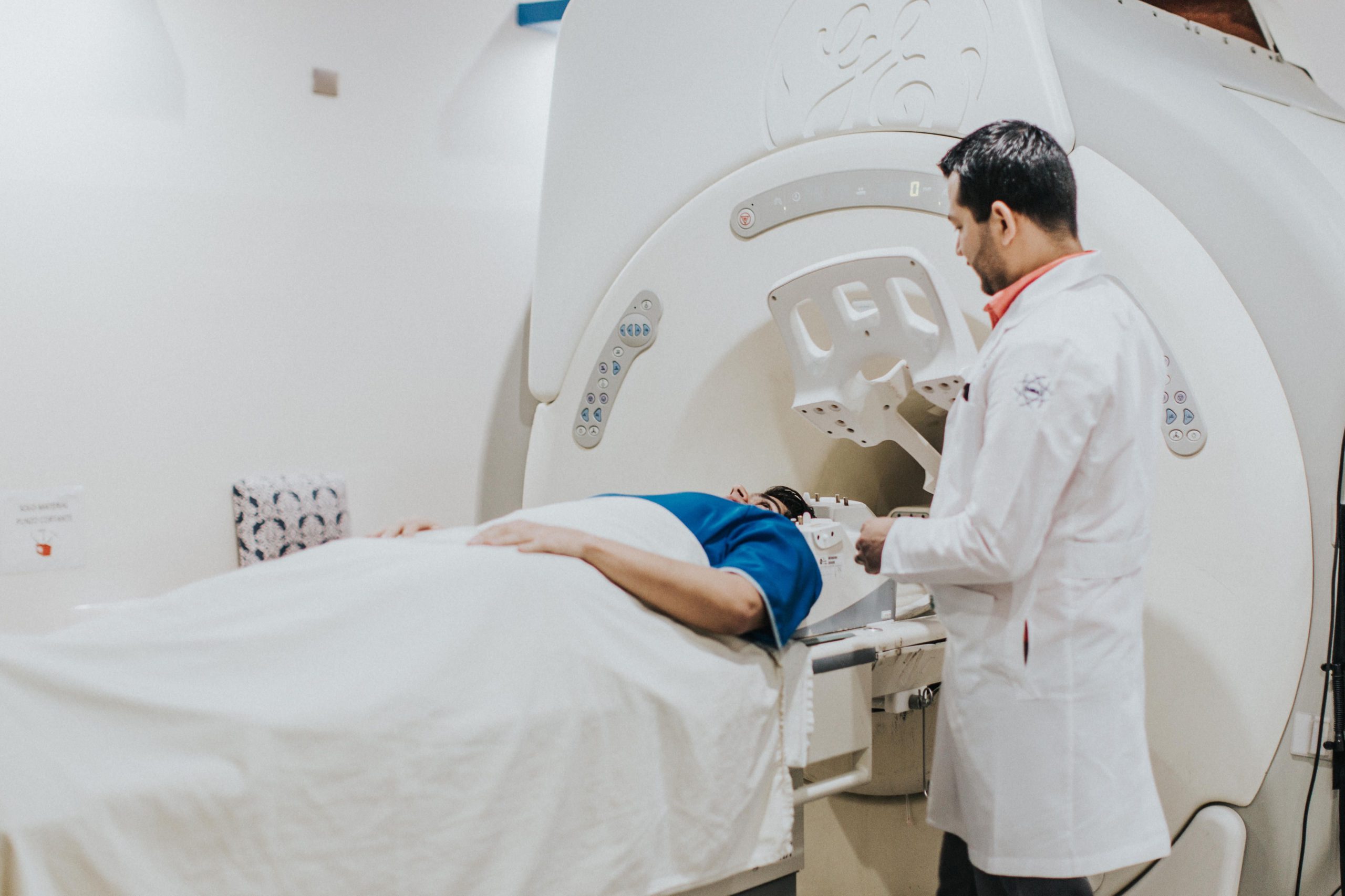
An MRI scan, or magnetic resonance imaging scan, is a medical imaging procedure that uses a strong magnetic field and radiofrequency energy to create detailed images of structures inside the body. Unlike X-rays and CT scans, MRI does not use ionising radiation. It is commonly used to examine areas such as the brain, spine, joints, muscles and other soft tissues, although its suitability depends on the medical question being investigated.
The process of making an MRI booking will depend on the imaging provider, the examination required and whether a referral is necessary. In Australia, patients will generally receive a referral from a GP or specialist before contacting a radiology clinic to arrange the examination. The clinic may need information from the referral to determine the appropriate scan, appointment length and any preparation required.
What Can MRI Examine?
MRI is particularly useful for producing detailed images of soft tissues. Doctors may recommend it when investigating injuries, unexplained symptoms or known medical conditions.
It can be used to examine the brain and spinal cord, as well as joints such as the knee, shoulder and hip. MRI may also be used to investigate muscles, ligaments, tendons, blood vessels and certain internal organs.
The type of images obtained depends on the body area being examined and the reason for the investigation.
How to Arrange an Appointment
Once a patient has received a referral, they can contact an appropriate medical imaging provider. Some clinics allow appointments to be requested online, while others arrange them by telephone or in person.
When making the appointment, patients may be asked to provide their referral, Medicare details and information about previous imaging. It is useful to ask about appointment costs and whether any Medicare rebate applies, as eligibility can vary according to the examination, referral and imaging provider.
MRI Safety Screening
Because MRI equipment uses a powerful magnet, patients must complete safety screening before entering the scanning room.
The clinic should be told about pacemakers, implanted medical devices, previous surgery, metal fragments or other metallic implants. Some devices are compatible with MRI under specific conditions, while others may require additional assessment.
Patients should answer screening questions accurately so imaging staff can determine whether the examination can proceed safely.
Preparing for the Scan
Preparation requirements vary. Many MRI examinations require little preparation, while certain scans may have specific instructions regarding eating, drinking or medications.
Patients will generally need to remove metal objects such as jewellery, watches and certain clothing items before entering the MRI room. The clinic will provide instructions relevant to the particular examination.
In some circumstances, a contrast agent may be used to improve the visibility of particular tissues or structures. Imaging staff will explain this when relevant.
What Happens During MRI?
During the examination, the patient lies on a table that moves into the MRI scanner. Remaining still is important because movement can affect image quality.
MRI scanners make loud knocking and tapping sounds while images are being produced, so hearing protection is normally provided. The scan duration varies depending on the body area and number of images required.
After the Examination
A radiologist reviews the images and prepares a report for the referring healthcare professional. Patients should follow up with their doctor or specialist to discuss the results in the context of their symptoms and medical history.
MRI is an established diagnostic imaging technique that can provide detailed information about many areas of the body. Understanding the referral, booking, safety screening and preparation process can make arranging and attending an MRI appointment more straightforward.